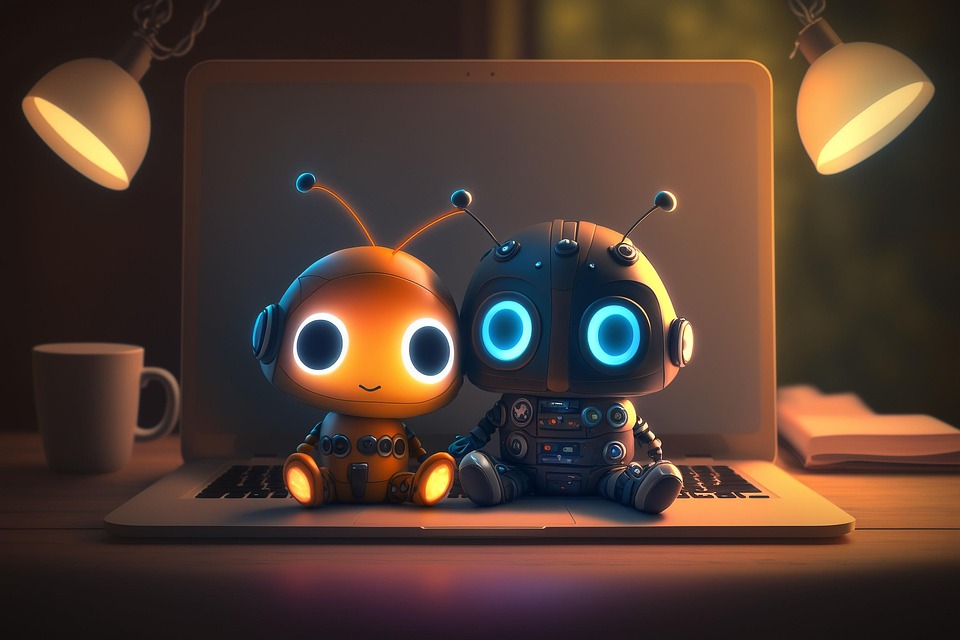

In recent years, the landscape of technology has rapidly evolved, pushing the boundaries of what is possible in artificial intelligence (AI). One of the most exciting developments is the concept of Collaborative AI, where programmers and machines work together synergistically to create better software, enhance problem-solving capabilities, and even enrich user experience. This article will explore the principles, applications, benefits, challenges, and future prospects of Collaborative AI.
What is Collaborative AI?
Collaborative AI refers to systems that facilitate cooperation between human intelligence and machine intelligence. Unlike traditional AI models that operate autonomously or require full human input, Collaborative AI systems are designed to function as partners with programmers and other users. This partnership can manifest in various ways, from coding assistance to automating mundane tasks, allowing developers to focus on more complex and creative aspects of their projects.
Key Principles of Collaborative AI
-
Human-Centric Design: At the heart of Collaborative AI is the focus on human-centered design. The technology is built to complement human strengths and mitigate weaknesses.
-
Interactivity: Collaborative AI relies on real-time interaction between humans and machines. This ensures that the collaboration adapts dynamically to changing needs and contexts.
-
Feedback Loops: Continuous feedback between the user and the AI system is essential for optimizing performance. This iterative process allows both parties to learn and improve collaboratively.
- Transparency: For effective collaboration, AI systems must be transparent. Programmers need to understand how the system arrives at its decisions to trust and effectively use its capabilities.
Applications of Collaborative AI
1. Code Generation and Review
One of the most prominent applications of Collaborative AI is in code generation and review. Tools like GitHub Copilot use natural language processing to assist developers by suggesting lines of code or entire functions based on the context of the project. This allows programmers to write code more efficiently, reducing time spent on routine tasks.
2. Bug Detection and Fixing
Another significant area is in bug detection and fixing. AI systems can analyze large codebases to identify patterns and common pitfalls. This not only helps in spotting issues early but also suggests potential fixes based on existing solutions, creating a streamlined debugging process.
3. Data Analysis
In data analysis, Collaborative AI tools can assist data scientists by automating the more mundane aspects of data processing. They can provide insights and even generate reports based on the analyzed data, allowing professionals to focus on extracting meaningful conclusions and strategies.
4. User Experience Design
AI systems can also aid in designing user interfaces. By analyzing user interactions, Collaborative AI can suggest design modifications, improving the overall user experience. The system learns from user preferences, making iterative improvements and ensuring design meets user needs effectively.
5. Automated Testing
Automated testing is another arena where Collaborative AI shines. It can continually assess software performance, ensuring that updates or changes do not disrupt existing functionality. This capability is invaluable in maintaining software reliability and user satisfaction.
Benefits of Collaborative AI
Increased Productivity
By automating routine tasks, Collaborative AI enables programmers to concentrate on complex and creative aspects of software development. This not only increases individual productivity but can also lead to faster project timelines.
Enhanced Creativity
With machines handling repetitive tasks, programmers can devote their mental resources to innovative problem-solving and creative thinking. Collaborative AI can act as a brainstorming partner, providing suggestions and alternatives that might not have been considered.
Continuous Improvement
The feedback loop inherent in Collaborative AI allows for a culture of continuous improvement. Users and machines learn from each interaction, refining their capabilities over time.
Error Reduction
With bug detection tools and automated testing procedures, Collaborative AI can drastically reduce the number of errors that make it to production. This leads to more reliable software and enhanced user experiences.
Challenges of Collaborative AI
Trust and Acceptance
Despite its benefits, one of the primary challenges of Collaborative AI is building trust. Programmers must feel confident in the suggestions made by the AI system. This requires transparency and explainability in AI decision-making processes.
Dependence on Quality Data
AI systems are only as good as the data they are trained on. Inaccurate or biased data can lead to poor AI performance, limiting the effectiveness of collaborative efforts. Ensuring high-quality data is essential for the success of Collaborative AI.
Job Displacement Concerns
The rise of Collaborative AI has raised concerns about job displacement. While it automates mundane tasks, some fear that AI could eventually replace human roles in software development. However, it is more likely that AI will lead to job evolution rather than outright replacement.
Integration Complexity
Integrating AI solutions into existing workflows can be complex and costly. Organizations must invest in training and infrastructure to ensure that Collaborative AI solutions are seamlessly adopted.
The Future of Collaborative AI
As Collaborative AI continues to evolve, we can expect it to become more sophisticated. Future developments may include more advanced natural language understanding, enabling AI systems to recognize context better and make more nuanced suggestions. Additionally, as AI becomes more ingrained in software development processes, we may see the emergence of entirely new roles focused on managing the interplay between human and machine collaboration.
Closing Thoughts
The potential of Collaborative AI is immense. By leveraging the strengths of both human and machine intelligence, programmers can engage in more effective problem-solving and innovative design. While challenges remain, the ongoing development of this technology promises to reshape the landscape of software development for the better.
FAQs
1. What is Collaborative AI?
Collaborative AI refers to systems that work alongside humans to enhance productivity and creativity by leveraging machine intelligence.
2. How does Collaborative AI benefit programmers?
It increases productivity by automating routine tasks, enhances creativity by providing brainstorming support, and improves the quality of code through effective bug detection.
3. Are there risks associated with Collaborative AI?
Yes, challenges include trust issues, dependence on quality data, job displacement concerns, and integration complexities.
4. Will AI replace software developers?
While AI will automate certain tasks, it is more likely to evolve roles rather than replace human developers entirely.
5. What industries can benefit from Collaborative AI?
Many industries, including software development, data science, and user experience design, can benefit from Collaborative AI technologies.
Note: For copyright-free images, consider using resources like Unsplash, Pexels, or Pixabay where you can find visual content related to AI and programming.