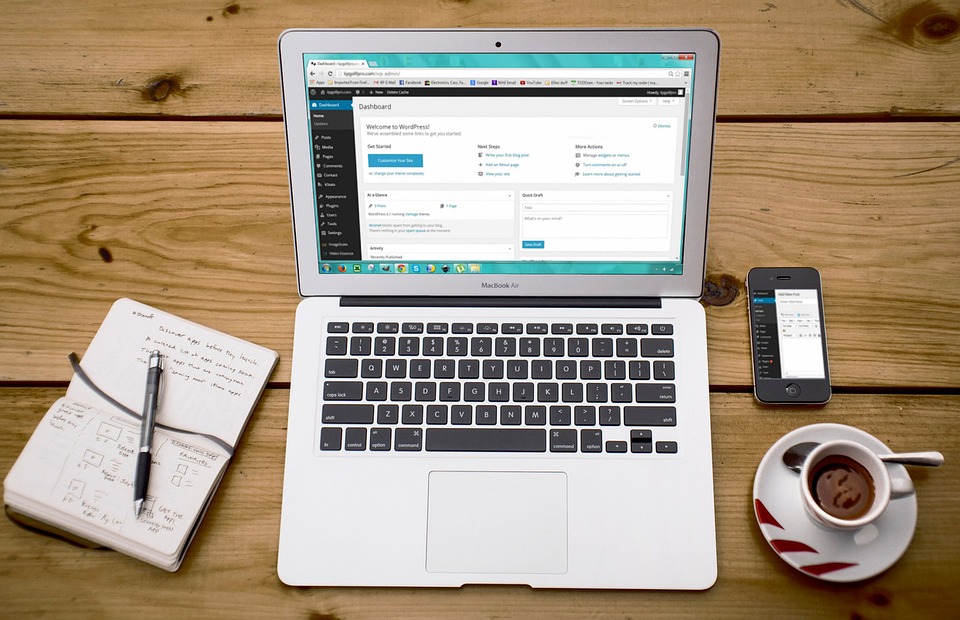

In the ever-evolving digital landscape, mobile applications have become an integral part of our daily lives. From social networking to e-commerce, the demand for mobile apps is insatiable. However, traditional mobile app development often requires significant technical expertise and financial investment, leaving many ideas shelved. Enter no-code platforms, a revolutionary approach that empowers anyone, regardless of technical background, to create functional mobile apps effortlessly.
Understanding No-Code Platforms
No-code platforms are tools that allow users to build applications without writing any code. They utilize a visual interface where users can drag and drop elements, configure workflows, and customize designs, enabling rapid app development. This democratization of app creation is transforming the tech landscape, breaking down barriers and facilitating innovation.
Key Features of No-Code Platforms
-
Visual Development: Users can design user interfaces using a visual canvas, making it possible to create complex app layouts without programming.
-
Pre-built Components: No-code platforms offer a library of pre-built components (buttons, forms, databases), which can be easily integrated into apps.
-
Workflow Automation: Many no-code platforms include workflow automation tools, allowing for the creation of dynamic applications that respond to user input seamlessly.
- Integration Capabilities: Most no-code tools can easily integrate with popular third-party services like payment gateways, email services, and cloud storage, enhancing app functionality without added complexity.
The Benefits of No-Code Platforms
-
Accessibility
No-code platforms make app development accessible to a much wider audience. Entrepreneurs, marketers, and product managers can all take part in the app creation process, streamlining idea-to-execution workflows.
-
Speed
The speed at which applications can be developed is significantly reduced with no-code tools. What traditionally took months can now be done in weeks, or even days. This speed allows businesses to iterate quickly based on user feedback, keeping them agile in a competitive market.
-
Cost-Effectiveness
Building a mobile app through traditional methods often comes with hefty costs associated with hiring developers, designers, and project managers. No-code platforms significantly lower these costs, allowing startups and small businesses to allocate resources more efficiently.
-
Iterative Development
The ability to rapidly create and modify applications fosters a culture of iterative development. Users can test ideas quickly and pivot based on real-time feedback, leading to more successful products.
Popular No-Code Platforms
Several no-code platforms have emerged as leaders in the market:
-
Bubble: Known for its robust capabilities, Bubble allows users to build fully functional web and mobile applications.
-
Adalo: Focused on mobile app development, Adalo enables users to create apps with a native look and feel, complete with database functionalities.
-
Glitch: Great for quick prototypes, Glitch supports collaborative projects and immediate deployment.
- Airtable: While primarily a database tool, Airtable allows users to build integrations and applications that use data effectively.
Challenges and Limitations
Despite their numerous advantages, no-code platforms are not without challenges:
-
Scalability: As applications grow in complexity, some no-code platforms may struggle to scale effectively, potentially leading to performance issues.
-
Customization Limitations: While no-code tools offer a range of pre-built components, fully unique or complex functionalities may still require custom code.
- Learning Curve: Although simpler than traditional coding, new users may still face a learning curve in understanding the platform and its capabilities.
The Future of No-Code Development
The rise of no-code platforms signals a significant shift in the technology landscape. As these tools continue to evolve, we can expect several trends and innovations:
-
Increased Integration of AI: The incorporation of artificial intelligence into no-code platforms will enable users to automate processes and generate insights more effectively.
-
Focus on Collaboration: Enhanced collaborative features will allow teams to work together in real-time, streamlining the development process further.
-
Enterprise Adoption: Large organizations are beginning to recognize the value of no-code platforms for rapid prototyping and internal solutions, which could greatly influence their adoption.
- Community and Resources: As the user base grows, so will the community support and resources, leading to a vibrant ecosystem of shared templates, components, and educational content.
Conclusion
No-code platforms are revolutionizing mobile app development by making it accessible, quicker, and more cost-effective. As technology continues to evolve, the capabilities and appeal of these platforms will likely expand, encouraging innovation and creativity across industries. The future belongs to those who embrace toolsets that empower decision-makers and creators alike to build the next generation of applications.
Frequently Asked Questions (FAQs)
1. What types of applications can I build with no-code platforms?
You can create a variety of applications, including mobile apps, web apps, e-commerce sites, and internal tools, depending on the capabilities of the specific no-code platform.
2. Do I need any technical skills to use no-code platforms?
No, one of the primary benefits of no-code platforms is that they are designed for non-technical users. Basic computer skills are generally sufficient.
3. How much do no-code platforms cost?
Pricing varies widely among no-code platforms, with some offering free tiers and others charging subscription fees based on the features and usage levels.
4. Can I scale my app developed on a no-code platform?
While many no-code platforms offer scalability options, very complex applications may require migrating to a traditional development framework as they grow.
5. Are there any limitations to using no-code platforms?
Yes, while they are powerful tools for many scenarios, some complex functionalities or customizations may require traditional coding skills.
Copyright-Free Images
For copyright-free images, consider using platforms like:
-
Unsplash: High-quality photographs contributed by a community of photographers.
-
Pexels: A wide range of free stock photos and videos.
- Pixabay: A vast collection of over 1.7 million free stock photos, videos, and music.
These resources offer images that you can use freely for your articles, presentations, or projects.