
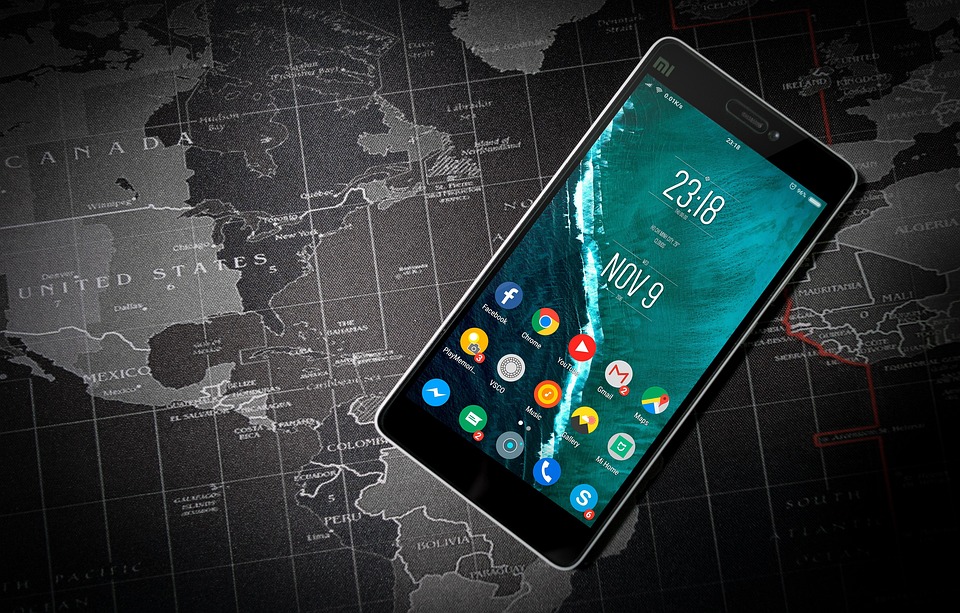

Android development is constantly evolving, spurred by advancements in technology, changing user preferences, and the increasing complexity of app functionalities. As we step into 2024, several trends are shaping the future of Android development. This article explores these trends and what developers should anticipate in the coming year.
1. Increased Focus on AI and Machine Learning
Artificial Intelligence (AI) and Machine Learning (ML) are no longer just buzzwords; they are integral components of modern applications. In 2024, Android developers are expected to leverage AI and ML to enhance user experience. Applications will increasingly use natural language processing for better voice recognition, image analysis for augmented reality apps, and predictive analytics for personalized user experiences. Frameworks like TensorFlow Lite will continue to gain traction, making AI more accessible for developers.
What to Expect:
- Personalized recommendations
- Enhanced user interaction through AI chatbots
- Improved security through anomaly detection
2. Kotlin First Development
Kotlin has been the preferred language for Android development since Google announced it as an official language back in 2017. By 2024, the Kotlin-first approach will become the standard. The language’s concise syntax, safety features, and full interoperability with Java make it an ideal choice for developers looking to build robust mobile applications.
What to Expect:
- Decreased boilerplate code
- Enhanced type-safety features
- Easier Java migration
3. Cross-Platform Development Frameworks
As businesses seek to cut down on development costs while expanding their reach, cross-platform frameworks like Flutter and React Native will continue to gain popularity. By 2024, these frameworks will likely offer even more robust solutions, making it easier for developers to build high-quality apps that run seamlessly on both Android and iOS platforms without extensive code duplication.
What to Expect:
- Rapid development cycles
- Consistent user experiences across platforms
- More businesses adopting cross-platform strategies
4. 5G Integration
The rollout of 5G technology is set to revolutionize mobile application performance. In 2024, developers will increasingly prioritize 5G capabilities in their applications to deliver seamless video streaming, augmented reality experiences, and real-time data processing. With 5G becoming more widespread, the demand for high-performance applications will grow.
What to Expect:
- Enhanced multimedia experiences
- Real-time data analytics
- Faster and more responsive applications
5. Emphasis on Security
With the increasing number of cyber threats, security will remain a primary concern in Android development. Developers in 2024 will have to prioritize secure coding practices and integrate security features into their applications from the ground up. Tools and frameworks that facilitate secure development will become mainstream.
What to Expect:
- Increased automation in security testing
- Enhanced data encryption methods
- Regular updates to combat new threats
6. Internet of Things (IoT) Compatibility
The IoT ecosystem is expanding, and Android devices are becoming crucial in connecting various smart devices. In 2024, Android developers will focus on creating applications that can integrate seamlessly with IoT devices, enhancing functionalities such as smart home systems, wearable technology, and more.
What to Expect:
- Improved user interfaces for smart devices
- Better interoperability between devices
- The emergence of IoT-centric applications
7. Focus on User Experience (UX)
UX design will continue to be a focal point in Android development. As competition among applications intensifies, developers must create intuitive, user-friendly interfaces. In 2024, augmented reality (AR) and virtual reality (VR) will increasingly feature in app design, providing immersive experiences that enhance user engagement.
What to Expect:
- More interactive and engaging apps
- Innovative UI features like gesture controls
- Integration of VR and AR for enhanced UX
8. Sustainability in Development
As global awareness of sustainability grows, Android development will reflect these values. In 2024, there will be an emphasis on creating energy-efficient applications that use fewer resources, both in terms of processing power and battery consumption. Developers may also focus on creating applications that promote sustainable practices among users.
What to Expect:
- Increased focus on green technologies
- Energy-efficient coding practices
- Applications designed to help users adopt sustainable lifestyles
9. Increased Use of Cloud-Based Technologies
With the ongoing trend toward remote work and distributed teams, cloud services are becoming indispensable for developers. In 2024, the integration of cloud technologies in Android apps will become standard practice. This includes using cloud storage solutions, implementing serverless architecture, and utilizing cloud computing for heavy processing tasks.
What to Expect:
- More seamless data synchronization
- Enhanced offline capabilities in apps
- Scalable and flexible application solutions
10. Augmented Reality (AR) and Virtual Reality (VR)
With the rapid development of AR and VR technologies, applications that offer immersive experiences are expected to become more mainstream in 2024. Android developers will harness these technologies to create unique applications, particularly in sectors such as gaming, real estate, and education.
What to Expect:
- Innovative gaming experiences
- Enhanced educational tools and simulations
- New marketing strategies using AR/VR
Conclusion
The future of Android development in 2024 is poised for significant transformation as new technologies emerge and user expectations evolve. By focusing on trends such as AI integration, cross-platform frameworks, and enhanced UX design, developers can stay ahead in this dynamic landscape. Embracing these trends will not only lead to improved applications but will also ensure a competitive edge in an ever-growing market.
FAQs
1. What programming languages should I learn for Android development in 2024?
- You should focus on Kotlin as it has become the preferred language. Additionally, familiarity with Java and cross-platform languages like Dart or JavaScript (for React Native) can be beneficial.
2. How important is AI in Android development?
- AI is crucial for creating more personalized and interactive applications. Learning AI-related frameworks is a smart investment for future development.
3. Will cross-platform development continue to grow?
- Yes, the demand for cross-platform frameworks will likely increase, helping developers save time and costs while reaching wider audiences.
4. Are there specific tools for enhancing security in Android apps?
- Yes, tools like ProGuard and various security libraries can automate security checks and improve the security of your applications.
5. How can I keep my applications energy-efficient?
- By following best practices in coding, such as optimizing algorithms, reducing background processing, and leveraging efficient data structures, you can create more sustainable applications.
Copyright-Free Images
For images, you can find copyright-free visuals on platforms like:
These sites offer high-quality images that can enhance your article without copyright concerns.
By staying updated with these trends and leveraging the resources available, you can ensure that your Android development efforts are effective and forward-thinking.