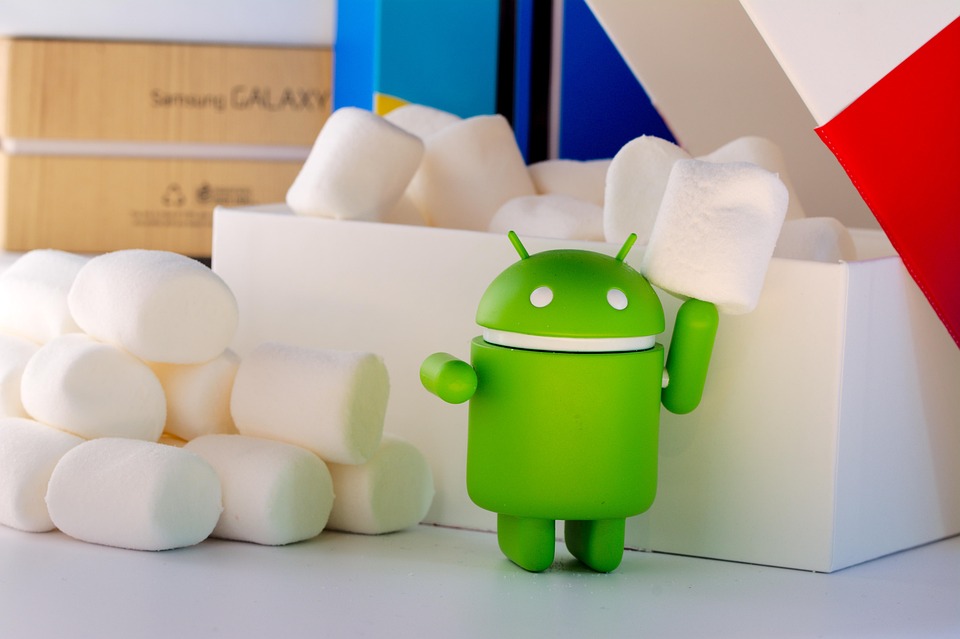

As technology continues to evolve at an unprecedented pace, mobile app development has emerged as one of the most dynamic sectors in the tech industry. Android, being a major player in the market, is experiencing significant shifts as developers strive to create innovative, user-centric applications. This article explores key trends shaping Android app development in 2023, along with insights into what the future may hold.
1. The Rise of 5G Technology
One of the most pivotal developments impacting Android app development is the roll-out of 5G technology. With its lightning-fast speeds and reduced latency, 5G opens up a host of opportunities for developers to create more sophisticated and interactive applications. Apps that rely on real-time data processing—like streaming services, augmented reality (AR), and virtual reality (VR)—will benefit significantly from these capabilities.
Implications for Developers
- Enhanced Streaming Quality: Users can expect high-definition video streaming without buffering.
- Augmented Reality Experiences: Developers can create more immersive experiences that blend the digital and real worlds.
- Smart applications: More data can be processed in real-time, enabling features like predictive text and intelligent personal assistants.
2. Artificial Intelligence and Machine Learning Integration
AI and machine learning are becoming indispensable in creating smarter applications. In 2023, Android app developers are focusing on integrating AI-based functionalities to enhance user experience. This includes personalized content recommendations, chatbots for customer support, and advanced data analytics.
Benefits of AI in App Development
- Personalization: AI algorithms can help in offering user-specific content recommendations.
- Automation: Chatbots can handle customer inquiries, reducing the time spent on customer service.
- Enhanced Analytics: Machine learning can provide developers with insights into user behavior, helping to improve user engagement.
3. Emphasis on User Experience (UX)
User experience continues to be a high priority in mobile app development. With increasing competition, developers are focusing on intuitive designs, seamless navigation, and personalized interfaces.
Key Considerations for Improved UX
- Minimalistic Design: A clean and uncluttered interface allows users to navigate through the app effortlessly.
- Voice User Interfaces (VUIs): With the rise of voice-activated devices, integrating VUIs can significantly enhance accessibility and usability.
- Feedback Loops: Continuous user feedback is crucial for constant improvement and adaptation of features.
4. Increased Focus on Security and Privacy
As data breaches and privacy concerns grow, developers are prioritizing security in their applications. In 2023, implementing robust security features has become a non-negotiable aspect of Android app development.
Security Measures to Implement
- Encryption: Ensuring sensitive data is encrypted to prevent unauthorized access.
- Secure APIs: Using secure APIs to facilitate user data exchange.
- Regular Updates: Frequent updates to patch vulnerabilities are crucial for maintaining app integrity.
5. Adoption of Progressive Web Apps (PWAs)
Progressive Web Apps (PWAs) have gained traction as a flexible solution that combines the best aspects of websites and mobile apps. PWAs are designed to work offline and provide a native app-like experience without the need for users to download anything from the Google Play Store.
Advantages of PWAs
- Broader Reach: Users can access the app on multiple platforms, including mobile and desktop, without installation hassles.
- Cost-Effective Development: Building a single PWA can be more economical than developing separate native apps.
- Faster Updates: Updates can be made on the server side, allowing for quick rollouts of new features and fixes.
6. Internet of Things (IoT) Integration
The growing integration of IoT devices into our daily lives is reshaping mobile development strategies. Android apps are increasingly becoming gateways to controlling smart devices, whether in home automation, health monitoring, or smart manufacturing.
Implications for IoT
- Seamless Interaction: Apps that can communicate with multiple devices provide users with a unified experience.
- Data Management: Developers are focusing on solutions that can handle the enormous amount of data generated by IoT devices.
- Real-Time Monitoring: Apps can provide real-time data metrics that users can visualize and analyze.
7. Dark Mode and Customization Options
Dark mode is more than just a trend; it has become a must-have feature for many apps. In 2023, developers are focusing on customization options, allowing users to personalize their app experience, including color schemes and layouts.
Benefits of Customization
- Improved Battery Life: Dark mode can save battery, especially on OLED screens.
- User Comfort: It reduces eye strain in low-light conditions, making apps more user-friendly.
- Brand Identity: Allowing customization can help brands create a strong identity that resonates with their user base.
8. Cross-Platform Development
Cross-platform development frameworks like Flutter and React Native are changing the way Android apps are developed. By allowing code reuse for both Android and iOS platforms, these frameworks can expedite the development process, reduce costs, and maintain consistency across applications.
Advantages of Cross-Platform Development
- Efficient Resource Utilization: Fewer resources are required for maintaining separate codebases.
- Faster Time-to-Market: Less time is spent on building and testing separate versions of an app.
- Wider Audience Reach: Developers can target both Android and iOS users simultaneously.
9. Subscription-Based Revenue Models
More developers are moving towards subscription-based models instead of the traditional one-time purchase approach. This shift not only provides a steady income stream but also allows for continuous development and updates.
Benefits of Subscription Models
- Better Customer Retention: Users are more likely to stick around if they pay on a regular basis.
- Ongoing Revenue: Developers can forecast income based on subscriber growth.
- Continuous Updates: Subscription models encourage regular enhancements and improvements.
10. Blockchain Technology
Blockchain technology is no longer confined to cryptocurrencies. It offers transparency and security that can be utilized in Android application development, particularly in sectors like finance, supply chain, and data security.
Use Cases for Blockchain in App Development
- Smart Contracts: Automating and securing transactions between parties.
- Secure Transactions: Providing users with a trustworthy environment to conduct financial transactions.
- Decentralized Data Management: Giving users control over their data.
FAQs
Q1: What programming languages are essential for Android app development in 2023?
A1: The primary languages include Java and Kotlin. Kotlin has gained significant popularity for its modern syntax and ease of use.
Q2: How important is user experience in mobile app development?
A2: User experience is crucial as it directly affects user engagement, retention, and overall app success.
Q3: Can PWAs replace native Android apps?
A3: While PWAs offer excellent advantages in accessibility and development efficiency, they may not fully replace native apps, especially for resource-intensive applications.
Q4: How can developers ensure the security of their Android applications?
A4: Developers should implement encryption, secure APIs, regular updates, and conduct thorough testing to identify vulnerabilities.
Q5: Are subscription models the future of app monetization?
A5: Many developers believe that subscription models provide a sustainable revenue stream and foster continual app improvements, making them a compelling choice.
In conclusion, the future of mobile, particularly Android app development in 2023, is geared towards enhanced user experiences, advanced technological integration, and a focus on security. By understanding these trends, developers can better position themselves to meet the evolving demands of users and create robust, innovative applications that stand the test of time.
Copyright-Free Images
Here are some recommended sources for copyright-free images related to mobile app development:
Feel free to browse these sites to find images that complement your article!