
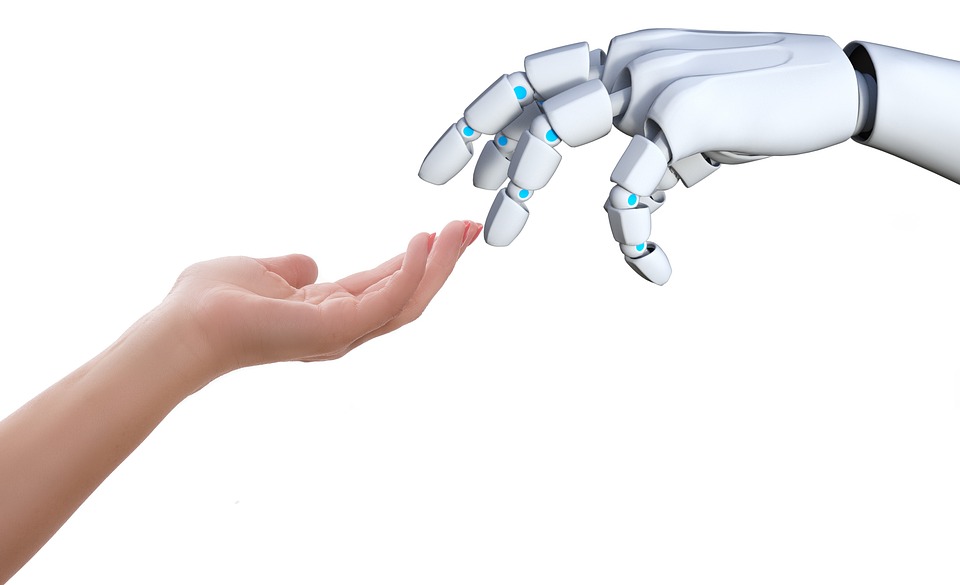

Introduction
The evolution of artificial intelligence (AI) has ushered in a new era of technological advancement, transforming various sectors in our lives. One area that has witnessed significant changes is software development. AI assistants in coding have become vital tools, enhancing both creativity and efficiency for developers. This article explores how these AI tools improve the coding landscape, their functionalities, and the future implications of their integration.
The Rise of AI in Coding
AI assistants, such as GitHub Copilot, Tabnine, and Kite, leverage machine learning and natural language processing to assist developers. These tools analyze vast troves of code across multiple languages and frameworks, enabling them to provide context-aware snippets, suggest optimizations, and even identify bugs in real time.
Key Benefits
-
Efficiency: AI assistants significantly reduce the time developers spend writing repetitive code. They can autocomplete sentences, suggest entire blocks of code, and even refactor existing code.
-
Enhanced Creativity: By providing suggestions and code samples, AI tools allow developers to think outside the box. Rather than getting stuck solving a problem, developers can explore alternative solutions that they may not have considered.
-
Learning and Skill Development: For novice programmers, AI assistants serve as teachers. They offer suggestions and explanations, helping beginners understand best practices and coding standards.
- Consistency and Quality Assurance: By adhering to coding standards and best practices, AI assistants help ensure a higher level of code quality, which reduces bugs and enhances maintainability.
How AI Assistants Work
Code Autocompletion
At their core, AI coding assistants utilize code autocompletion. As a developer types, these tools analyze the context and provide suggestions for the next lines of code. This feature is particularly beneficial in large projects where maintaining consistency can become challenging.
Contextual Understanding
The most advanced AI assistants can understand the specific context of the code being written. They analyze user behavior and integrate with development environments to offer personalized suggestions, which makes the coding process smoother and more tailored to individual needs.
Bug Detection and Debugging
Many AI coding tools can identify bugs and potential issues in the code before the actual compilation or execution stages. They flag common errors and suggest corrections in real time, allowing developers to fix issues proactively rather than reactively.
Integration with IDEs
AI assistants integrate seamlessly with popular Integrated Development Environments (IDEs) like Visual Studio Code, IntelliJ IDEA, and Eclipse. This integration provides a user-friendly experience where developers can leverage AI capabilities without leaving their coding environment.
Case Studies
GitHub Copilot
Created through a collaboration between GitHub and OpenAI, GitHub Copilot uses vast datasets to help developers write code faster. Initially launched as an experimental tool, it garnered attention for its ability to suggest entire functions based on just a few keystrokes. Developers reported a significant boost in productivity, allowing them to write complex algorithms with ease.
Tabnine
Tabnine employs machine learning to provide contextual suggestions across various programming languages. It’s tailored for developers working in teams, ensuring that code suggestions are consistent with the established style of the project. Users have noted improved collaboration and fewer code review comments, which speeds up the deployment timeline.
Limitations
Dependence on Data Quality
AI assistants rely on data for training. If the training data contains poor quality or outdated examples, the AI may deliver subpar suggestions. This limitation underscores the importance of continuous learning and updating the databases that these AI tools utilize.
Understanding Complex Logic
While AI tools excel in autocomplete and syntactical suggestions, they sometimes struggle with complex logic or unique coding patterns. In instances where a developer is working on an innovative feature or using a new technology stack, the AI’s suggestions may not align with the developer’s vision.
Ethical Concerns
The rise of AI coding assistants raises ethical considerations, particularly regarding code originality and attribution. Developers may inadvertently introduce biases or plagiarized code snippets into their projects, leading to legal complications and ethical dilemmas.
Future Implications
As we move forward, the role of AI in coding is expected only to grow. With advancements in natural language processing and machine learning, these tools will become more adept at understanding complex requirements, managing dependencies, and even optimizing code for performance.
Collaboration between Humans and AI
The future of coding will likely see a more collaborative relationship between human developers and AI assistants. Rather than serving as replacements, these tools will augment human creativity, freeing developers to focus on higher-level problem-solving and project management.
Accessibility and Democratization
AI coding assistants have the potential to lower the barrier to entry for aspiring developers. As these tools become more accessible, individuals from diverse backgrounds will gain the opportunity to engage with coding, fostering a more inclusive tech landscape.
Conclusion
AI assistants in coding represent a significant leap forward in software development, enhancing both efficiency and creativity. By automating repetitive tasks and providing intelligent suggestions, these tools enable developers to focus on innovation rather than mundane coding chores. As technology continues to evolve, embracing AI in coding will become increasingly indispensable, paving the way for a new generation of developers who can harness the power of artificial intelligence.
FAQs
1. What are AI coding assistants?
AI coding assistants are software tools that help developers write code more efficiently by providing suggestions, code completion, debuggers, and best practices based on vast datasets of existing code.
2. How do AI coding assistants enhance creativity?
These assistants encourage creativity by suggesting alternative solutions and methods, allowing developers to explore various coding approaches without getting bogged down in routine tasks.
3. Are AI coding assistants suitable for beginners?
Yes, AI coding assistants can be highly beneficial for beginners, as they provide context-aware suggestions and explanations that help novice developers learn coding standards and practices.
4. Can AI coding assistants replace human developers?
No, AI coding assistants are designed to augment human capabilities, not replace them. They primarily handle repetitive tasks, enabling developers to focus on more complex problem-solving and strategic planning.
5. What are the limitations of using AI coding assistants?
The limitations include dependence on data quality, challenges in understanding complex logic, and ethical considerations regarding code originality and bias. Developers should be mindful of these factors when using AI tools.
6. How do I choose the right AI coding assistant?
Choosing the right AI coding assistant depends on your specific needs, preferred programming languages, and the development environment. Exploring various options, such as GitHub Copilot, Tabnine, and Kite, can help you find the best fit.
Feel free to use royalty-free image repositories like Unsplash or Pexels to find suitable images for your article. Simply search for keywords relevant to AI, coding, or technology to complement your content.