

In the ever-evolving landscape of technology, artificial intelligence (AI) and machine learning (ML) have emerged as transformative forces—especially in the field of software development. Gone are the days when coding was strictly a manual task performed by human programmers. Today, AI is increasingly stepping into this realm, enhancing productivity, accuracy, and innovation. This article explores how machine learning is revolutionizing coding practices, offering insights into its applications, benefits, and future potential.
Understanding Machine Learning in Coding
Machine Learning is a subset of AI that enables systems to learn from data, identify patterns, and make decisions with minimal human intervention. In the context of coding, ML algorithms can analyze vast datasets of existing code, documentation, and programming patterns to offer insights or automated coding solutions.
Code Generation and Assistance
One of the most significant advancements in coding practices through AI is automated code generation. Tools powered by machine learning can analyze the context of a given problem and automatically generate code snippets or even entire functions. For example, OpenAI’s Codex can assist programmers by converting natural language descriptions into executable code.
Such technology allows developers to focus on higher-level design and architecture rather than getting bogged down in syntax or implementation details. AI-driven code completion in integrated development environments (IDEs) can also suggest contextual code snippets, much like autocorrect on smartphones.
Enhanced Debugging
Debugging is an essential part of the coding process, often leading to frustration and lost productivity. Machine learning can significantly streamline debugging practices. AI algorithms can analyze codebases to identify common coding errors, suggest fixes, and even predict which parts of the code are likely to contain bugs based on historical data.
Tools like DeepCode use machine learning to scan code repositories and provide feedback on potential vulnerabilities or bad practices. This not only speeds up the debugging process but also leads to cleaner, more secure codebases.
Intelligent Testing
Testing remains a critical aspect of software development. Traditional testing methods can be time-consuming and resource-intensive. However, AI can automate various testing processes, such as regression testing, smoke testing, and even unit testing.
Machine learning can analyze existing test cases and generate new tests based on code changes or user interactions. This approach helps ensure that new features do not introduce bugs and improves overall code reliability.
Improved Collaboration
Collaboration among team members is vital in software development. AI can facilitate better communication and project management by analyzing team dynamics and work patterns. For instance, machine learning algorithms can identify which developers are most effective in solving specific types of issues and recommend pairs for pair programming.
Tools like GitHub Copilot enable developers to work together in real-time and offer code suggestions based on their peers’ work and established coding patterns. Such collaborative frameworks enhance knowledge sharing and improve overall team productivity.
Customized Learning Pathways
One of the most exciting aspects of integrating AI in coding is its potential in education. Machine learning can personalize learning experiences for coders at all levels. By analyzing a learner’s progress, strengths, and weaknesses, AI can create customized learning plans that adapt to individual needs.
Platforms like Codecademy and Coursera are exploring AI-driven feedback mechanisms that provide real-time suggestions and adjustments based on user performance. This personalized approach makes coding more accessible and engaging for beginners while also helping seasoned developers upgrade their skills.
Benefits of AI in Coding Practices
Enhanced Productivity
Machine learning allows developers to reduce the time spent on repetitive tasks, allowing them to focus more on creative and high-impact work. Automating code generation, testing, and debugging processes skyrockets productivity and efficiency in software development cycles.
Higher Code Quality
With AI’s ability to analyze code for errors and vulnerabilities, the overall quality of software improves. Enhanced debugging and testing practices lead to cleaner code, reduced operational risks, and better user experiences.
Faster Time to Market
In an age where speed is paramount, AI can dramatically shorten development cycles. Automated testing and code generation enable companies to release features and updates faster than ever, giving them a competitive edge.
Empowered Developers
AI tools enhance human creativity rather than replace it. Developers can leverage machine learning to improve their coding skills and efficiency, empowering them to innovate and bring new ideas to life.
Challenges and Considerations
While the benefits of integrating AI into coding practices are undeniable, it is essential to acknowledge the challenges:
- Data Dependency: Machine learning models require vast amounts of quality data to function effectively. Poor-quality or biased data can lead to suboptimal performance.
- Job Displacement: Concerns exist that increased automation could lead to job displacement in the programming field. However, history shows that innovation usually creates new roles as it eliminates old ones.
- Complexity and Trust: Developers must understand and trust the AI tools they are using. Over-reliance on AI can lead to complacency. It is crucial for developers to possess a foundational understanding of coding principles.
The Future of AI in Coding
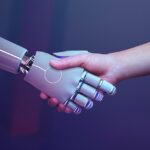
As machine learning technologies continue to evolve, the future of coding will likely see an increasing partnership between humans and machines. We may witness AI models that can not only assist developers but also collaborate with them on high-level design and architecture tasks.
Furthermore, with advancements in natural language processing and understanding, it is plausible that someday programmers may write code simply by expressing their requirements in natural language, with AI translating those needs into functional code.
Conclusion
Machine learning is not just a fad; it is a groundbreaking transformation of coding practices that is already shaping the future of software development. By automating repetitive tasks, enhancing code quality, and empowering developers, AI is set to redefine what it means to be a programmer. As we embrace these changes, the importance of adapting to new technologies and methodologies has never been more evident.
FAQs
1. What is machine learning in the context of coding?
Machine learning is a subset of AI that enables systems to learn from data and make decisions with minimal human intervention. In coding, it helps automate tasks like code generation, debugging, and testing.
2. How does AI enhance productivity in coding?
AI tools automate repetitive tasks, allowing developers to focus on more complex and creative aspects of coding, which improves overall productivity.
3. Can AI replace human programmers?
While AI can automate many aspects of coding, it is unlikely to fully replace human programmers. Instead, it will assist them, enhancing their capabilities and allowing for more innovation.
4. What are the challenges associated with using AI in coding?
Challenges include data dependency for effective algorithms, potential job displacement, and the need for developers to trust the AI tools and understand their limitations.
5. Are there any educational benefits of AI in coding?
Yes, AI can create customized learning experiences for aspiring coders by analyzing their progress and tailoring educational content to individual needs.
Copyright-Free Images
These images can enhance visual appeal and create a more engaging reading experience.
In summary, as AI technologies mature, the programming landscape will continue to adapt, integrating these innovations in ways that not only streamline work but also inspire new levels of creativity and collaboration among developers.